Iron Removal

Problems with Iron
Contact Us
021 905 0869 / enquiries@eqwater.co.za

IRON IN BOREHOLE WATER
Iron is one of the most troublesome elements in water supplies. Making up at least 5 percent of the earth’s crust,
iron is one of the earth’s most plentiful resources. Rainwater as it infiltrates the soil and underlying geologic
formations dissolves iron, causing it to seep into aquifers that serve as sources of groundwater for wells. Although
present in drinking water, iron is seldom found at concentrations greater than 15 milligrams per liter (mg/l) or 15
parts per million. However, as little as 0.2 mg/l can cause water to turn a reddish brown color.
Iron is one of the most troublesome elements in water supplies. Making up at least 5 percent of the earth’s crust,
iron is one of the earth’s most plentiful resources. Rainwater as it infiltrates the soil and underlying geologic
formations dissolves iron, causing it to seep into aquifers that serve as sources of groundwater for wells. Although
present in drinking water, iron is seldom found at concentrations greater than 15 milligrams per liter (mg/l) or 15
parts per million. However, as little as 0.2 mg/l can cause water to turn a reddish brown color.
While not hazardous to health, iron is considered a secondary or aesthetic contaminant.
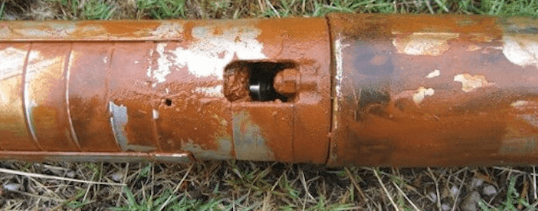
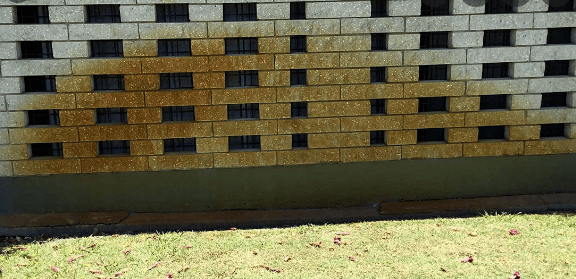
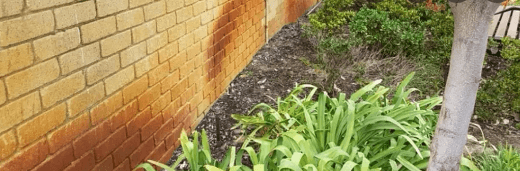
Concentrations of iron as low as 0.3 mg/l will leave reddish brown stains on walls, paving, fixtures and laundry that
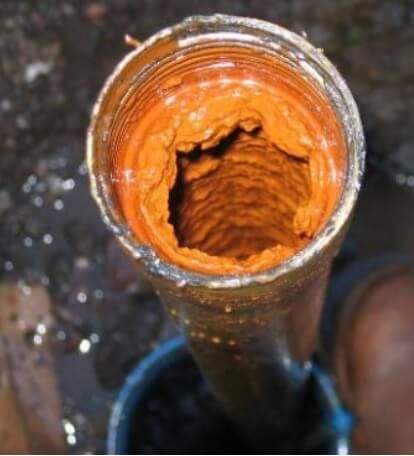
is very hard to remove. When deposits break loose from water piping, rusty water will flow through the faucet.
Within appearance sensitive industries such as facilities management, iron stains can degrade a facility’s image;
and within an agricultural environment, iron can cause irrigation equipment and drippers to become clogged.


IRON BACTERIA
utilize the iron, leaving behind a reddish brown or yellow slime that can clog plumbing and cause an offensive
odor. This slime is noticeable in irrigation equipment, tanks and plumbing.
Since iron combines with different naturally occurring organic materials, it may also exist as an organic complex.
The combination of naturally occurring organic material and iron can be found in shallow wells and surface water.
This type of iron is usually yellow or brown but may be colorless.
WE HAVE THE SOLUTIONS
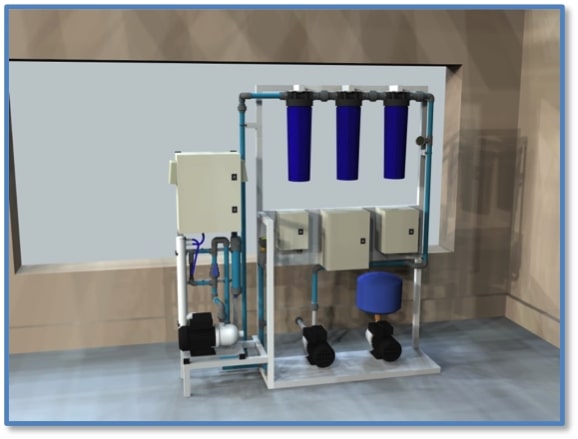
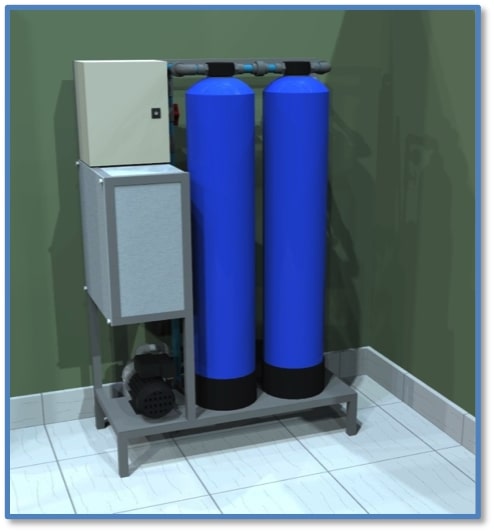
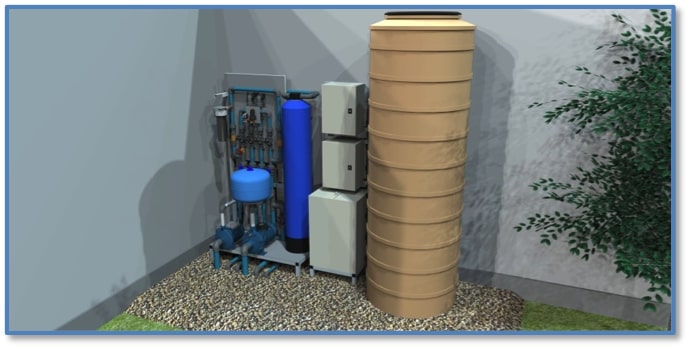
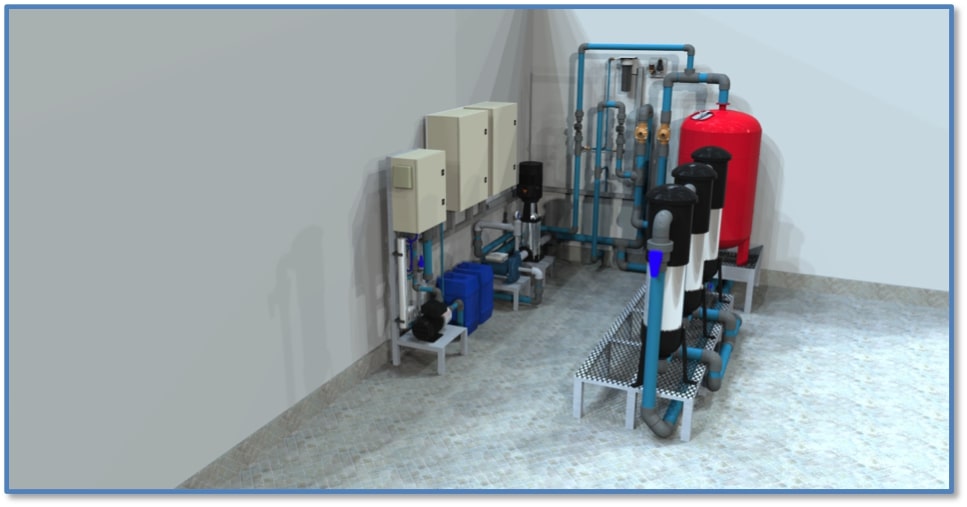
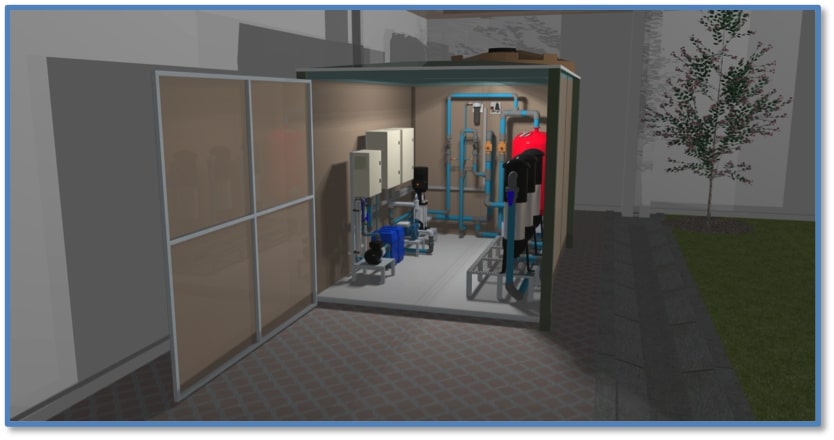
The IRONOX is not a product. It is a scientifically developed Iron Removal process that guarantees results.
The hard truth is that no supplier will guarantee the removal of Iron and Manganese of any level with a "plug & play" product.
Even though these products are sold with many promises, you will not get a written guarantee for the promised results.
High levels of Iron and Manganese in the water often goes along with other parameters in the water that are also out of speck.
In many cases the complex iron and manganese cannot be removed unless these parameters are also addressed.
With the IRONOX process we guarantee our results.
IF WE DO NOT DELIVER THE REQUIRED RESULT WITH THE SYSTEM PROPOSED AND THE INPUT PARAMETERS (SOURCE WATER QUALITY AND VOLUME) ,
HAS NOT CHANGED, WE WILL UPGRADE THE SYSTEM AT OUR OWN COST IN ORDER TO PRODUCE THE RESULTS


Water analyses and testing
We have registered 5 tailor made packages at a SANAS Accredited Laboratory. The specific parameters in these analytical packages were specifically selected to provide the necessary water quality information from a compliance point of view, but also the treatment critical parameters needed to speck the best treatment protocol. These analytical packages provide the relevant information for all the various treatment processes including Iron & Manganese Removal, Corosive Water, Hard Water, Reverse Osmosis, bacterial contamination, and many more